
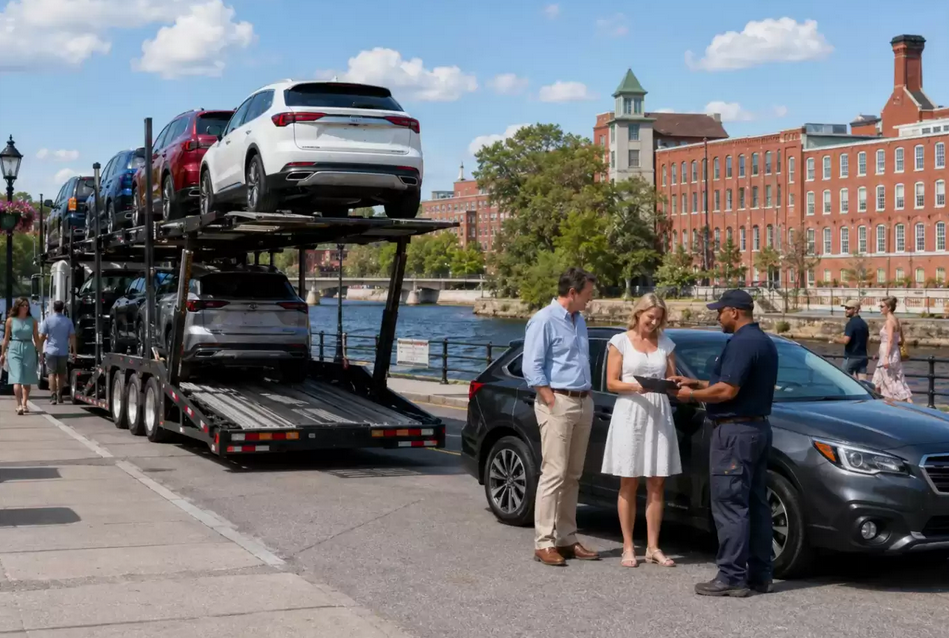
Handing your car to a driver for a trip across the country raises an obvious question: what happens if something goes wrong? Most owners assume their regular auto policy simply keeps working, or that the shipper’s coverage will handle everything. The truth sits somewhere in between, and the details are worth understanding before the truck arrives.
This guide explains how insurance generally works when a vehicle is shipped, what to ask your insurer and your shipper, and how to protect yourself with good documentation.
Two Layers of Coverage
When a car travels on a truck, two kinds of coverage can apply. The first is your own auto insurance policy. The second is the coverage carried by the company moving your vehicle. They are separate, they work differently, and neither one should be assumed to cover everything.
Your policy follows your vehicle, but its terms depend on what you bought. The shipper’s coverage applies while the vehicle is in their care, from loading to unloading. Knowing which layer responds first, and what each one excludes, helps you avoid surprises if a claim ever comes up.
What Your Own Policy May Cover
Many comprehensive policies cover damage to a parked or stored vehicle from events like theft, fire, vandalism, falling objects, and weather. Some extend that protection while the car is being transported. Collision coverage, on the other hand, is usually written for accidents while the car is being driven, and insurers sometimes treat transport differently.
Read More: For Work Trucks, Clutch Capacity Matters as Much as Engine Power
The only reliable way to know is to ask. Call your insurance provider and ask whether your policy applies while the vehicle is on a truck, and whether any exclusions apply to professional transport. Ask them to confirm the answer in writing, and keep a copy with your shipping documents.
What the Shipper’s Coverage Typically Does
A professional shipper carries cargo coverage for the vehicles in its care. This is designed to respond if the car is damaged by the shipper’s handling, equipment, or driving while in transit. It generally does not cover personal items left inside the car, mechanical failures unrelated to the shipment, or damage that was already there before pickup.
Read More: How to Choose the Best Air Ride Seat for Your Truck
Limits and deductibles vary, so ask for the details before you book. A reputable company will explain its coverage clearly, tell you what the limit is, and describe how a claim is filed. If a company is vague on these points, treat it as a warning sign.
Why the Condition Report Matters
Insurance claims depend on proof. The condition report completed at pickup and delivery is the key document, because it records what the car looked like before and after the trip. A clear report makes it easy to show that a scratch or dent appeared during transport, while a vague one leaves room for disputes.
Take your own photos on the day of pickup, in good light, showing every side, the roof, the wheels, and the interior. Date-stamped images are best. At delivery, inspect the car before you sign, ideally in daylight, and note any new damage on the paperwork at that moment. Raising an issue after the driver has left is much harder to resolve.
Personal Items Are Not Covered
One of the most common misunderstandings is about belongings. Items inside the vehicle are generally not covered by either the shipper or your auto policy, and they can shift during loading and unloading. Remove valuables, electronics, and documents, along with anything loose. Keeping the interior empty also makes the condition report simpler.
If you must leave something in the car, such as a child seat that is bolted in or standard tools, tell the shipper in advance and keep it to the minimum. Anything of real value should travel with you.
Different Vehicles, Different Questions
The right coverage depends on the vehicle. A high-value car, a classic, or a recently restored vehicle may be worth more than standard limits cover. In those cases, ask about agreed-value coverage, enclosed transport, and any additional protection available. A leased vehicle adds another layer, since the leasing company may set its own insurance requirements.
Vehicles that are modified, non-running, or oversized can also change the picture. Tell the shipper everything up front so that the right equipment and coverage are in place. A surprise at pickup is bad for everyone, including your claim.
Long Routes and Provincial Moves
Long routes raise the stakes simply because the car spends more days on the road. A trip like Toronto to Vancouver car shipping crosses several provinces and many weather zones, so it is worth confirming that your policy stays active the whole way.
If you are moving permanently, insurance will also change when you arrive. Some provinces use public insurance systems, while others rely on private insurers. Research the requirements of your destination before you ship, and arrange coverage so that it starts when the car arrives. Vancouver car shipping is a good example of a destination where public insurance rules differ from those in Ontario.
Before Pickup Checklist
A few simple steps put you in the best position if a claim ever becomes necessary.
- Confirm in writing whether your auto policy applies while the car is on a truck.
- Ask the shipper for its coverage limits, deductible, and claim process.
- Photograph the car thoroughly on pickup day.
- Remove personal items and valuables.
- Review and sign the condition report only when it matches the car.
- Inspect the car at delivery before accepting it.
Starting Out in a New City
If you are shipping to a new home, the car also needs to be insured the day it arrives. Call your insurer a week or two before delivery to update your address and confirm the start date. Toronto car shipping destinations, for example, often require an updated policy that reflects a new postal code, since rates can vary by neighbourhood.
Peace of Mind Before the Truck Arrives
Insurance is rarely exciting, but a few phone calls before pickup make the shipment far less stressful. Ask your insurer what applies, ask your shipper what its coverage includes, and keep a clean paper trail from pickup to delivery. With those pieces in place, you can hand over the keys knowing you understand the risks and how they are covered.
Frequently Asked Questions
Does my regular auto insurance cover my car while it is being shipped?
It depends on your policy. Some comprehensive coverage applies during transport and some does not, so ask your insurer to confirm in writing.
Does the shipper’s coverage replace my own insurance?
No. The shipper’s coverage applies while the vehicle is in their care, and your policy is separate. You should keep your own insurance active for the whole trip.
Are personal belongings covered during shipping?
Generally not. Items inside the vehicle are usually excluded by both the shipper and your auto policy, so remove valuables and loose items before pickup.
What should I do if my car is damaged during shipping?
Note the damage on the condition report before you sign at delivery, take photos, and contact the shipper right away. Then follow the claim process and notify your insurer if needed.
Do I need extra insurance for a classic or high-value car?
Possibly. Standard limits may not match the car’s real value, so ask about agreed-value coverage and enclosed transport, and confirm what your own policy covers.