A work truck can have plenty of horsepower and still struggle when its clutch cannot manage the load. For contractors, haulers, agricultural operators, and fleet owners, that mismatch can turn a productive truck into an expensive source of downtime. The engine may pull strongly, but repeated starts with a trailer, heavy stop-and-go traffic, or frequent gear changes can place severe demands on the clutch assembly.
When a truck spends its days carrying equipment or towing near its rated limit, clutch capacity deserves the same attention as engine output. Choosing the right setup can improve drivability, reduce premature wear, and protect the business from repair costs during its busiest season.
Engine Power Does Not Tell the Whole Story
Horsepower and torque describe what the engine can produce. The clutch determines how effectively that force reaches the transmission and driveline. A clutch that is undersized for the application may slip when the truck is loaded, especially during uphill starts or low-speed maneuvering.
Read More : Selling Your Cat Converter Scrap: Tips for Maximising Profit
Slipping creates heat. Excessive heat can damage the friction surfaces, pressure plate, flywheel, and related components. In severe cases, a driver may notice a burning smell, delayed acceleration, or engine speed rising without a matching increase in road speed. Waiting until those symptoms become obvious can increase the eventual repair bill.
The truck’s actual work pattern matters more than its peak specifications. A lightly loaded pickup used for occasional towing may place less stress on the clutch than a heavier truck that makes dozens of loaded starts each day. A vehicle operating in a hilly area or pulling trailers through construction zones may also need more capacity than one used mainly on open highways.
Match the Clutch to the Truck’s Daily Work
The first question is not simply how much power the engine makes. It is how that power is used.
Consider the truck’s typical payload, trailer weight, axle ratio, transmission, and operating environment. A contractor carrying tools and materials around town may need a clutch designed for frequent engagement and disengagement. A truck pulling a heavy trailer across long distances may prioritize holding power and thermal resistance. Vehicles with performance modifications may require additional capacity even if the original clutch was adequate for the factory configuration.
Drivers also influence clutch life. Riding the pedal, launching aggressively, holding the truck on an incline with partial engagement, and shifting under heavy load can accelerate wear. However, better driving habits cannot compensate for a clutch that was never designed for the truck’s workload.
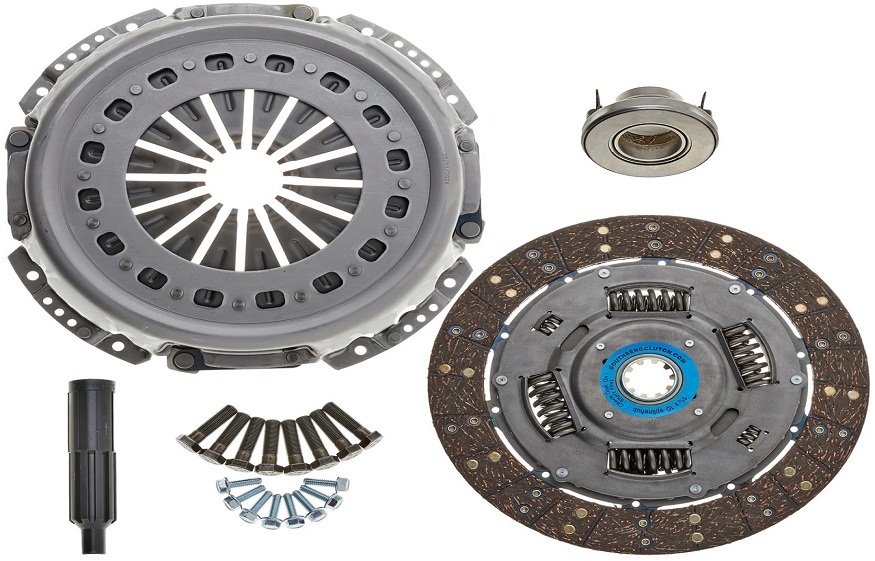
For owners comparing replacement options, a south bend clutch can be worth evaluating when the truck needs stronger holding capacity for demanding diesel applications. The correct choice still depends on the specific engine, transmission, torque level, and intended use rather than the brand name alone.
Think About the Busy Season
Seasonal workload should be part of the decision. A landscaping company may tow more equipment during spring and summer. A snow-removal contractor may face long shifts and repeated loaded starts in winter. Agricultural and construction fleets can experience similar spikes in demand.
Installing a marginal replacement during a slow period may seem economical, but the consequences often appear when the truck is needed most. A clutch failure during peak season can delay a job, require emergency parts sourcing, and leave a crew or trailer sitting idle. Selecting adequate capacity before that pressure arrives is usually more practical than reacting to a breakdown.
Capacity Is Also a Cost-Control Decision
A stronger clutch is not automatically the best choice. An unnecessarily aggressive setup can make engagement less comfortable, increase driveline shock, or create other compatibility concerns. The goal is to choose a clutch that provides an appropriate safety margin without making the truck unpleasant or unsuitable for regular driving.
Before ordering, verify transmission compatibility, flywheel requirements, hydraulic or mechanical release components, torque capacity, and the truck’s modifications. Installation quality matters as well. Incorrect adjustment, a worn flywheel, or unresolved oil contamination can shorten the life of a new assembly.
Read More : How to Apply Auto Paint Protection Film
For work-truck owners, the practical takeaway is straightforward: evaluate the clutch as part of the entire powertrain. When capacity matches the truck’s load, terrain, driving cycle, and seasonal demands, the engine’s power becomes more usable—and the risk of avoidable downtime becomes easier to control.